Patients with Type 2 diabetes have followed a well-known but disappointing course to manage their disease for generations. The usual first step is initiating metformin treatment, with a subsequent increase in the medication as blood glucose levels rise, leading to the addition of oral agents until the situation becomes so complicated that insulin must be introduced as well.
With the introduction of GLP-1 receptor agonists, there is more than just another option on the list. It has made us re-evaluate the approach to the list altogether, which makes this type of medication truly revolutionary.
Key Takeaways
- GLP-1 receptor agonists address blood sugar, body weight, cardiovascular risk, and kidney protection simultaneously, which no previous single medicine class has achieved.
- Large clinical trials have demonstrated reductions in mortality and cardiovascular events that go well beyond what glycaemic control alone would predict.
- The treatment approach shifts from reactive escalation to proactive metabolic management from diagnosis.
- Access to these medications in India is growing through both injectable and oral formulations, making them more practical for a wider patient population.
Why Older Diabetes Treatments Had Significant Limitations
To understand why GLP-1 medications have been a real breakthrough in the field, it helps to look back. Sulfonylureas are among the oldest and most popular oral diabetes medications, reducing blood sugar levels by stimulating insulin secretion regardless of blood glucose concentration.
Although this method is effective, it is also connected with hypoglycemia and weight gain, which aggravate the metabolic condition of a patient who has difficulties in regulating body weight along with diabetes.
In fact, diabetes medication nowadays often leads to the introduction of insulin as a final step in the pathway, which is known to be effective in blood glucose level management but implies weight gain, additional difficulties related to the injection procedure, and the risk of further hypoglycemia.
Most older medications focused merely on achieving a good blood glucose level but did not address the broader metabolic conditions responsible for it. Thus, patients may have great results in terms of HbA1c, yet they still may put on weight, have increased cardiovascular risks and experience kidney issues as well.
What Changed With the Arrival of GLP-1 Agents
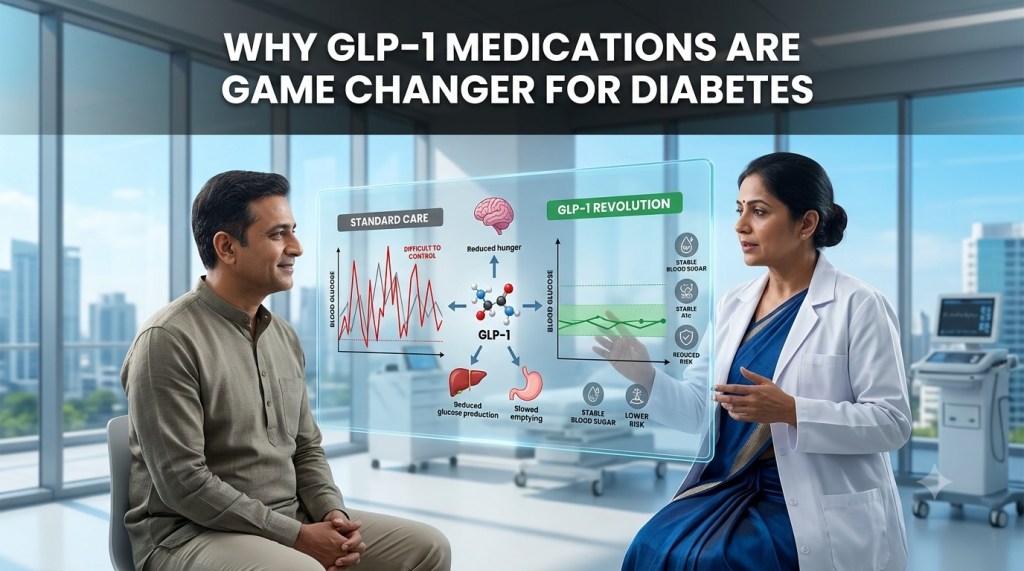
GLP-1 receptor agonists act on the gut hormone glucagon-like peptide-1, which is naturally released after eating to stimulate insulin secretion, suppress glucagon secretion, slow gastric emptying, and reduce appetite.
By mimicking this hormone at sustained levels, these medications achieve multiple effects simultaneously:
- Blood sugar is lowered through a glucose-dependent mechanism that does not cause hypoglycaemia when used without insulin.
- Body weight falls significantly, driven by a genuine reduction in appetite rather than diuretic or fluid-related effects.
- Blood pressure and triglycerides improve as downstream consequences of weight reduction and direct vascular effects.
- Markers of kidney stress, particularly urine protein levels, are reduced in patients with diabetic nephropathy.
The Shift From Reactive to Proactive Management
One important conclusion from these studies is that GLP-1 therapy should be used rather than being saved for the worst cases. Scientific publications advise that physicians should consider using GLP-1 receptor agonists in cases where patients have underlying cardiovascular problems, high cardiovascular risks or obesity together with type 2 diabetes right at the beginning of treatment, sometimes even before the use of metformin in a certain group of patients.
An analysis of studies investigating the effectiveness of GLP-1 receptor agonists for treating obesity and diabetes shows that this class of medicines addresses far more metabolic problems than the obsolete treatments described in the literature.
Why Semaglutide Specifically Stands Out
Semaglutide is considered one of the most successful molecules in this class of medicines. Long-term clinical studies show an impressive reduction in HbA1c and weight loss across all patient categories.
In addition, a study named Pioneer benefited considerably from the findings in Sustain, as oral formulations of the substance became available.
The SUSTAIN-6 trial data show a 26 percent decline in the combined cardiovascular endpoint of non-fatal myocardial infarction, non-fatal stroke, and cardiovascular death compared to placebo.
The Practical Option for Oral Treatment
Sembolic 14 Tablet is a way of administering semaglutide in a form that does not involve injection. It is taken once daily before breakfast or with any other regular medication, 30 minutes beforehand, and can be swallowed with a small amount of water. The formulation contains the same active agent and is optimised to deliver it across the gastric mucosa.
People with Type 2 diabetes in India who could benefit from the use of GLP‑1 for Diabetes & Weight Loss but are unwilling to accept injections would surely benefit from a treatment that was able to deliver the same therapy orally and provide acceptable results as far as glucose control and relevant improvements in weight are concerned.
What the Real-World Picture Looks Like
Although the findings of clinical trials are indeed persuasive, they pertain to research conducted in controlled environments involving handpicked patients. Real-world evidence confirms what the trials showed, with results from large registries demonstrating significant reductions in HbA1c and meaningful weight loss across diverse patient groups, including those with comorbidities that would have excluded them from trials.
Adherence to once-weekly formulations exceeds compliance with either daily injections or multiple tablets, which makes sense in a disease where long-term, steady treatment is one of the most influential factors determining the clinical outcome.
Managing Side Effects During Treatment
Among the common side effects, mention can be made of those that relate to the upper part of the gastrointestinal tract and often happen at the first stages of therapy:
- Nausea, almost always ranging from mild to moderate, with maximum intensity occurring in the first two to four weeks.
- Decreased appetite that is sometimes more prominent than expected at that point of treatment, even though it is the therapeutic goal.
- Diarrhoea or constipation is also a possible side effect, depending on an individual’s case.
- Vomiting may occur if food is taken too fast or if too large a portion is consumed in one go.
Gradually increasing the dose, starting from a low dose, significantly reduces the severity of the effects listed above. Most patients tolerate these side effects and simply wait till they pass.
Importance of Follow-Up Care
Initiating GLP-1 therapy requires ongoing medical review to optimise the dose, monitor blood glucose and weight response, assess kidney function, and identify any persistent side effects. Patients already on insulin or sulfonylureas need their existing medications reviewed when a GLP-1 agent is added to avoid hypoglycaemia.
What Is Worth Remembering
GLP-1 receptor agonists changed type 2 diabetes treatment not by doing one thing better than previous medicines but by doing several important things simultaneously. Better blood sugar control, meaningful weight loss, cardiovascular protection, and kidney benefits in a single weekly or daily medication represented a qualitative leap rather than an incremental improvement.
For a condition as complex and consequential as type 2 diabetes, that kind of breadth matters enormously in practice.
Disclaimer: This article is for general informational purposes only and does not constitute medical advice. Always consult a qualified healthcare professional before starting, stopping, or modifying any medication or treatment plan.


Leave a comment