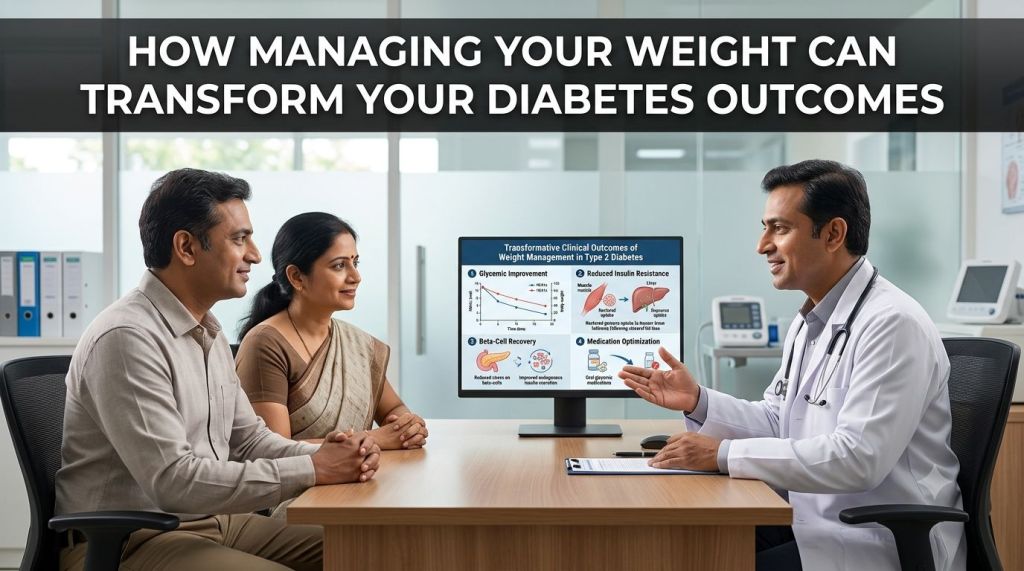
The term transformation is often used casually in health communication, but in weight management for type 2 diabetes, it is deservedly significant. Once treated as unavoidable by the medical fraternity, it is now known that with sustained weight management, you can radically change its course. Not just make things a bit better, but change the disease’s course and reduce the medication burden.
Lower the risk of complications for years. In some cases, even cure the disease totally. It is crucial to learn how such transformation happens.
Key Takeaways
- The typical trajectory of type 2 diabetes, progressive worsening of blood sugar control requiring escalating medications over time, is not inevitable when weight is actively managed.
- Meaningful weight loss changes the course of diabetes across blood sugar control, cardiovascular risk, kidney function, and quality of life simultaneously.
- The outcomes transformation is most dramatic in patients with earlier-stage diabetes and significant sustained weight reduction, but meaningful benefits occur across the spectrum.
- Pharmacological agents that address both weight and blood sugar through shared mechanisms offer the most efficient available path to transformation for patients where lifestyle alone is insufficient.
What the Typical Diabetes Trajectory Looks Like Without Weight Management
In traditional diabetes management programs without extensive investigation of blood glucose levels, the development over many years appears to follow a recognizable pattern. At first, control can be achieved with one or two oral medications, but within three to five years, as beta-cell insulin secretion declines and insulin resistance worsens, the situation worsens, prompting the introduction of a third medication.
Blood glucose continues to drift, eventually introducing insulin into the treatment plan. The number of medicines used in treatment expands gradually, leading to a greater chance of developing hypoglycemia, and complications are getting more and more focused on what is currently happening than on what could have been prevented.
What Changes When Weight Management Becomes a Priority
Measurable, clinically significant changes in disease progression occur when weight is treated not as a health recommendation, but as a key therapeutic goal.
Blood sugar control improves as insulin sensitivity increases, and there is no longer a need for extensive medications to achieve the required HbA1c levels.
As cardiovascular risk factors, i.e. blood pressure, LDL cholesterol, triglycerides, and systemic inflammation markers, improve through mechanisms that work in parallel with blood sugar control, the kidney filtration burden, which is persistently high in poorly regulated diabetes, decreases.
At the same time, the decline in insulin-producing beta cells slows down when the metabolic effects of obesity and hyperinsulinaemia lessen.
What Transformation Looks Like at One, Five, and Ten Years
The time scale over which outcomes change is important but often receives too little attention. One year after making significant weight loss, participants often see a decrease in HbA1c levels, reduced need for medication, lower blood pressure and higher energy levels due to expected metabolic changes. The Direct study showed that nearly 50% of participants could achieve diabetes remission after a year of intensive weight management.
Five years after successful weight reduction, patients continue to show slower progression in kidney disease markers and have fewer new cardiovascular events than comparable patients without weight-loss treatment.
Ten years later, the differences between those who have managed and those who have not lost weight unfold in the real-world data. For instance, those who shed off significant weight are diagnosed with end-stage kidney disease much less often, need fewer amputations and show less cardiovascular mortality.
How Pharmacological Support Accelerates the Transformation
Accessing the evidence behind GLP‑1 for diabetes and weight-loss treatment options provides a clear picture of a medicine class designed to address this dual need through shared hormonal mechanisms, rather than treating weight and blood sugar as separate problems.
Tirzepatide activates both GLP-1 and GIP receptors simultaneously, producing the most comprehensive dual-mechanism effect currently available in this class. Appetite is reduced through central GLP-1 signalling. Gastric emptying is slowed, reducing postprandial glucose spikes. Insulin is stimulated in a glucose-dependent manner. GIP receptor activation also directly engages fat tissue metabolism, amplifying the weight-loss effect beyond what single-receptor agents achieve. SURPASS trial data show HbA1c reductions up to 2.4 percent, alongside average weight loss of 11 to 12 kilograms.
Mounjaro 7.5mg is the third dose following the 2.5mg and 5mg phase, administered as a weekly subcutaneous injection under medical supervision. At this dose level, most patients experience more consistent appetite suppression and accelerating weight loss as the medication moves toward its therapeutic range, with further escalation guided by clinical response and tolerability.
What Transformation Requires From the Patient
Pharmacological support provides hormone assistance that makes long-term weight control possible. That is to say, it must not be considered a substitute for dietary changes that promote a reduction in caloric intake and that maximisation of the whole food, principally protein, content of the diet.
In addition, it must not be equated with exercise, which helps conserve muscle during weight loss and improve insulin sensitivity.
Patients who maximize benefits treat pharmacological support as a means to support a healthier diet and lifestyle, rather than expecting the medication to work wonders on its own.
Managing Side Effects During Treatment
Gastrointestinal side effects, particularly nausea and diarrhea, were the most common early experiences reported during the starting and dose-escalation phases. They usually disappear in four to eight weeks at any dose.
Eating small meals, avoiding fatty foods during the adjustment period, and eating slowly can help alleviate them. As blood sugar levels improve, the existing medicines, especially insulin and sulfonylureas, may need reductions in dose to prevent hypoglycemia.
Importance of Long-Term Monitoring
Quarterly evaluation helps monitor blood sugar levels, body mass index, blood pressure, kidney function, and treatment prescription.
As the patient’s metabolic capacity improves, the treatment plan is modified accordingly. The review calendar helps monitor changes throughout therapy.
What Is Worth Remembering
The patient’s weight control treatment in type 2 diabetes is not simply a supplement to diabetes therapy aimed at blood sugar level control. For most patients, weight control is the safest and most effective treatment.
Proper treatment, considering the importance of the patient’s weight control and including necessary medicines, makes monitoring of the therapy as precise and meaningful as HbA1c.
Disclaimer: This article is for general informational purposes only and does not constitute medical advice. Always consult a qualified healthcare professional before starting, stopping, or modifying any diabetes medication or weight management plan.


Leave a comment