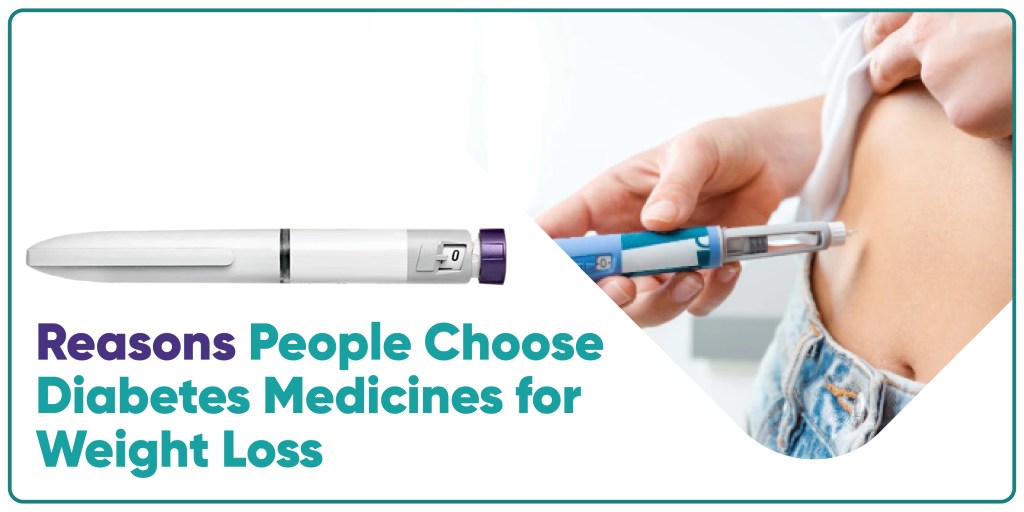
Losing weight is rarely a tidy or fast process. So when medicines originally prescribed for blood-sugar control started producing obvious drops on the scale, a lot of people treated them like a cheat code. That’s understandable: the idea of a treatment that reduces appetite and speeds results is seductive. But beneath the viral success stories, there are important medical, ethical, and practical realities. This guide explains what these medications do, why they became so popular, who they help most, and the real trade-offs you should know about — no hype, just facts (with a little healthy scepticism).
Every day effects of carrying extra weight
Obesity symptoms and side effects include
- Persistent excess body fat and noticeable, ongoing weight gain.
- Breathlessness with mild activity and reduced exercise tolerance.
- Loud snoring or daytime sleepiness (possible sleep apnea).
- Joint pain, stiffness, and reduced mobility.
- Low energy, mood changes, and reduced confidence.
- Skin changes such as acanthosis nigricans (darkened patches).
How these medicines work in the body
Some glucose-lowering therapies also change how your body handles hunger and digestion. They slow gastric emptying (so you feel full longer), blunt appetite-driving signals to the brain, and can reduce the pleasure you get from eating. Clinicians first noticed weight loss as an incidental benefit in patients taking these medicines for metabolic control — a useful side effect that later became a primary reason to prescribe them in non-diabetic people too. The mechanism is biological and repeatable, but not universal: people respond differently, and the effect depends on dose, duration, and individual biology.
The short, sharp reasons interest exploded
Three forces converged rapidly: strong clinical trial results, social media virality, and impatience with traditional methods. Trials reported meaningful average weight reductions, which made headlines. Influencers then amplified dramatic before-and-after stories. And lots of people find diet and exercise slow and demoralising; a medical shortcut looks attractive. The result? Demand surged faster than production, and fair allocation could not keep up.
Quick breakdown of brands and active ingredients
Mounjaro KwikPen is a brand of a prefilled injection device used to deliver the medicine for diabetes care that has shown weight-loss effects in some people.
Wegovy FlexTouch is another brand name for a prefilled injection pen used to administer a medication originally developed for blood sugar control that also helps reduce appetite.
Tirzepatide is the generic (active) ingredient behind Mounjaro KwikPen. it acts on hormones that control blood sugar and hunger, which is why it can lead to weight loss for some patients.
Semaglutide is the generic (active) ingredient used in products like Wegovy; it works on similar appetite and digestion pathways, and has been shown to help with weight reduction in clinical studies.
Real benefits — and the real catches
For some individuals, the benefits are significant, including improved mobility, lower blood pressure, and better metabolic markers. But averages are not guarantees. Side effects—especially early nausea and gastrointestinal upset—are common. A crucial catch: stopping the medication often leads to weight regain unless you’ve built lasting dietary and activity changes. Think of these medications as scaffolding that helps you make a house; if you walk away before finishing the work, the scaffolding won’t keep the roof up.
Supply, safety and ethical issues
When demand outstrips supply, patients who require these medications for diabetes management may face shortages. That raises ethical questions about resource allocation: is it appropriate to prioritise elective weight loss over established medical need? There’s also the danger of people sourcing medication from unreliable sellers, using improper doses, or skipping proper medical monitoring. Long-term safety data is still growing, which means rare adverse effects could appear as more people use these treatments for longer periods.
Who should consider them — and who should not
These are prescription medications, not over-the-counter slimming aids. They’re most appropriate for people with clinically significant obesity or for patients with metabolic disease when prescribed and monitored by a specialist. They’re not a first choice for someone who wants quick slimming for a vacation. People who are pregnant, planning pregnancy, or have certain medical histories should avoid them unless a specialist advises otherwise. Always consult an endocrinologist or an obesity expert — influencers don’t have access to your lab results.
Practical steps if you’re thinking about this route
- Get evaluated by a qualified clinician and discuss realistic goals.
- Complete baseline tests (blood sugar, liver function, medical history).
- Ask how side effects will be managed — expect early nausea for many people.
- Build a long-term plan that includes diet, movement, and behaviour support so gains last beyond the prescription.
- Never source injections or prescriptions from dubious online vendors.
Final thoughts
These medications can be effective tools when used appropriately and under medical supervision — but they are not a magic solution. If you’re tempted, be pragmatic: demand evidence, require a monitoring plan, and pair treatment with proven lifestyle support. If it sounds too easy, that’s usually because it is — and real, lasting change still takes work.
 Diabetes Care
Leave a comment